Butcher knives
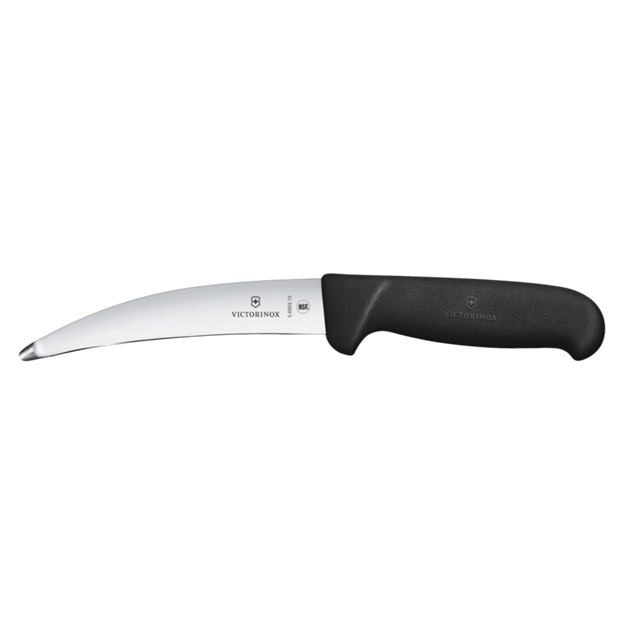
Different stages of processing game and other meat call for different knives. Here you will find butcher knives, boning knives, meat-cutting knives and butcher knife sets for boning, trimming and breaking down larger cuts of meat.
Which butcher knife should you choose?
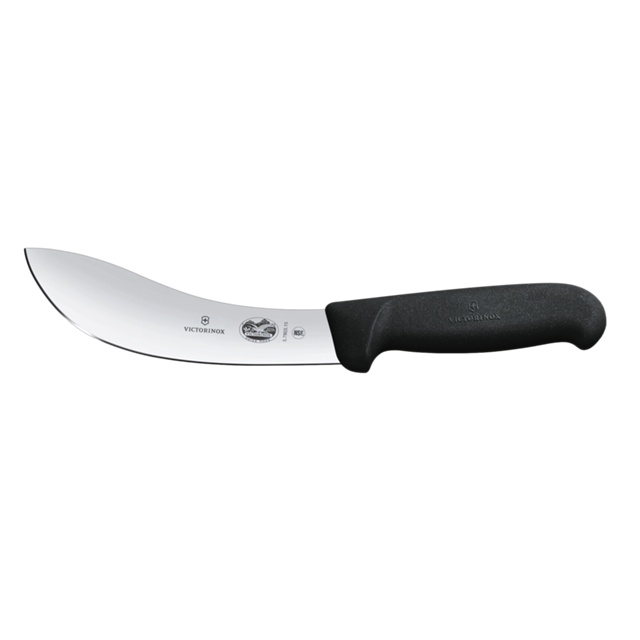
Butcher knife is a broad term for knives used when butchering, cutting and processing meat. A sturdy butcher knife works well when larger cuts need to be divided, trimmed or cleaned up, while more precise work is often easier with a narrower boning knife.
If you regularly process game, it is usually better to choose the knife according to the task rather than trying to use the same knife throughout the entire process.
Boning knives – for working around bones and joints
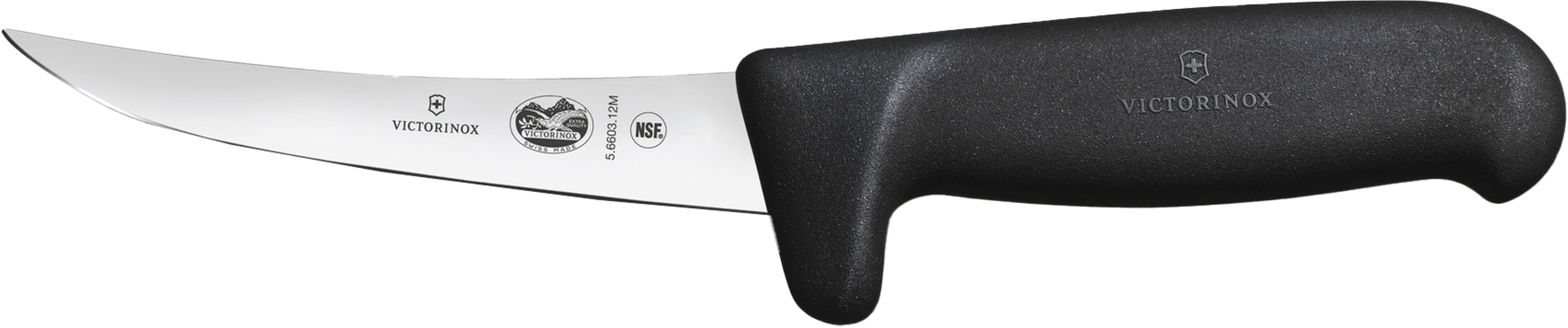
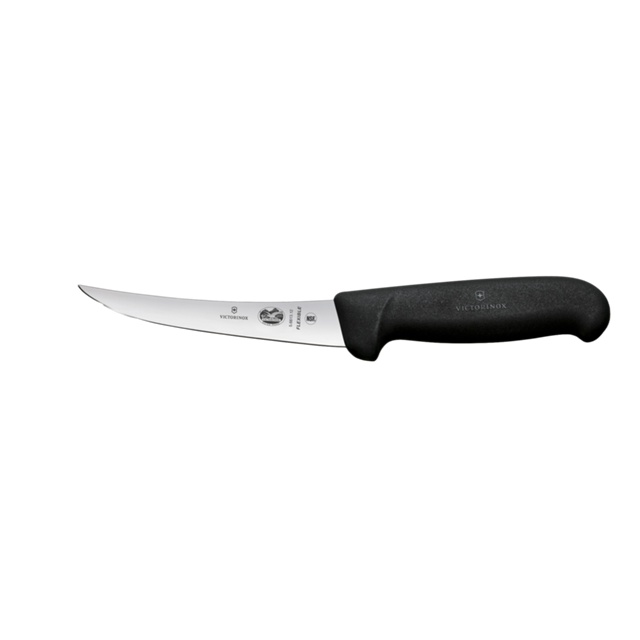
A boning knife normally has a narrow blade that makes it easier to work close to bones, joints and tendons. It is primarily used to separate meat from bone and for tasks that require greater precision.
Boning knives are available with both flexible and stiffer blades. A flexible blade follows bones and contours more easily, while a stiffer blade provides greater stability when you do not want the blade to bend as much.
Meat-cutting knives – for larger cuts
A meat-cutting knife is used when larger pieces need to be divided into smaller cuts and portions. Its blade is generally better suited to longer, controlled cuts through meat than the narrow blade of a boning knife.
The meat-cutting knife and boning knife therefore complement each other. The boning knife is used close to bones and joints, while the meat-cutting knife is better suited to dividing and trimming meat after boning.
Butcher knife sets
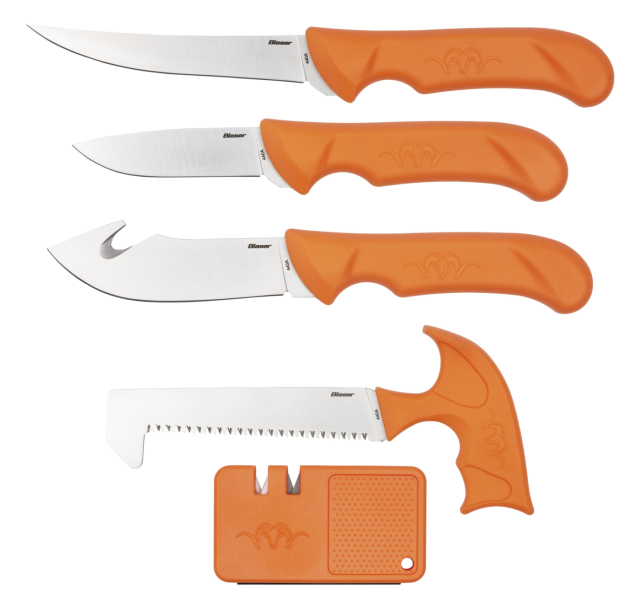
A butcher knife set is a practical option when you want several types of knives for different stages of the job. A set may contain knives with different blade shapes and lengths for boning, cutting and trimming.
The main advantage of a set is that you can change knives according to the task instead of compromising by using a single knife for everything.
Flexible or stiff blade?
Blade flexibility affects how the knife behaves during use. A flexible blade follows the shape of bones and meat more easily and works well for detailed boning. A stiffer blade provides greater resistance and stability when working with larger cuts or making straight, controlled cuts.
There is therefore no single blade that is best for every task. The choice should depend on how the knife will be used.
Grip, sharpness and maintenance
When processing meat, hands and knife handles can become wet or greasy, making a secure grip important. The knife should sit steadily in the hand and the handle should be easy to keep clean.
A sharp edge provides better control than a dull knife. A good primary grind is important for establishing an even cutting edge. A sharpening system such as Tormek can be used to restore or establish the main edge. Between sharpening sessions, the edge can be maintained regularly with a honing steel such as Dick Rapid so the knife stays sharp for longer.